
Why Selling Services Online Works — Data & Psychology
Most ecommerce behavior isn’t random browsing — it’s *ready-to-buy behavior*. Across industries, between 30–45% of purchases occur outside regular business hours, when people are browsing on their own schedule — nights, weekends, commutes, and slow moments.
For medspas in particular, your clients are busy professionals and creatives — women juggling jobs, kids, families, and calendars. If you make them choose “call us, schedule later,” you lose momentum. But when you say “buy now, choose appointment later,” you capture purchase intent and convert it into revenue immediately.
- 30–45% of ecommerce sales happen after business hours — meaning your site must sell even when you’re closed.
- 2–3× higher conversion when customers can pay immediately instead of booking first.
- Repeat purchase rate increases by a measurable amount when customers have bought once — even if the purchase hasn’t been redeemed yet.
These numbers are not about products — they’re about *behavior*.
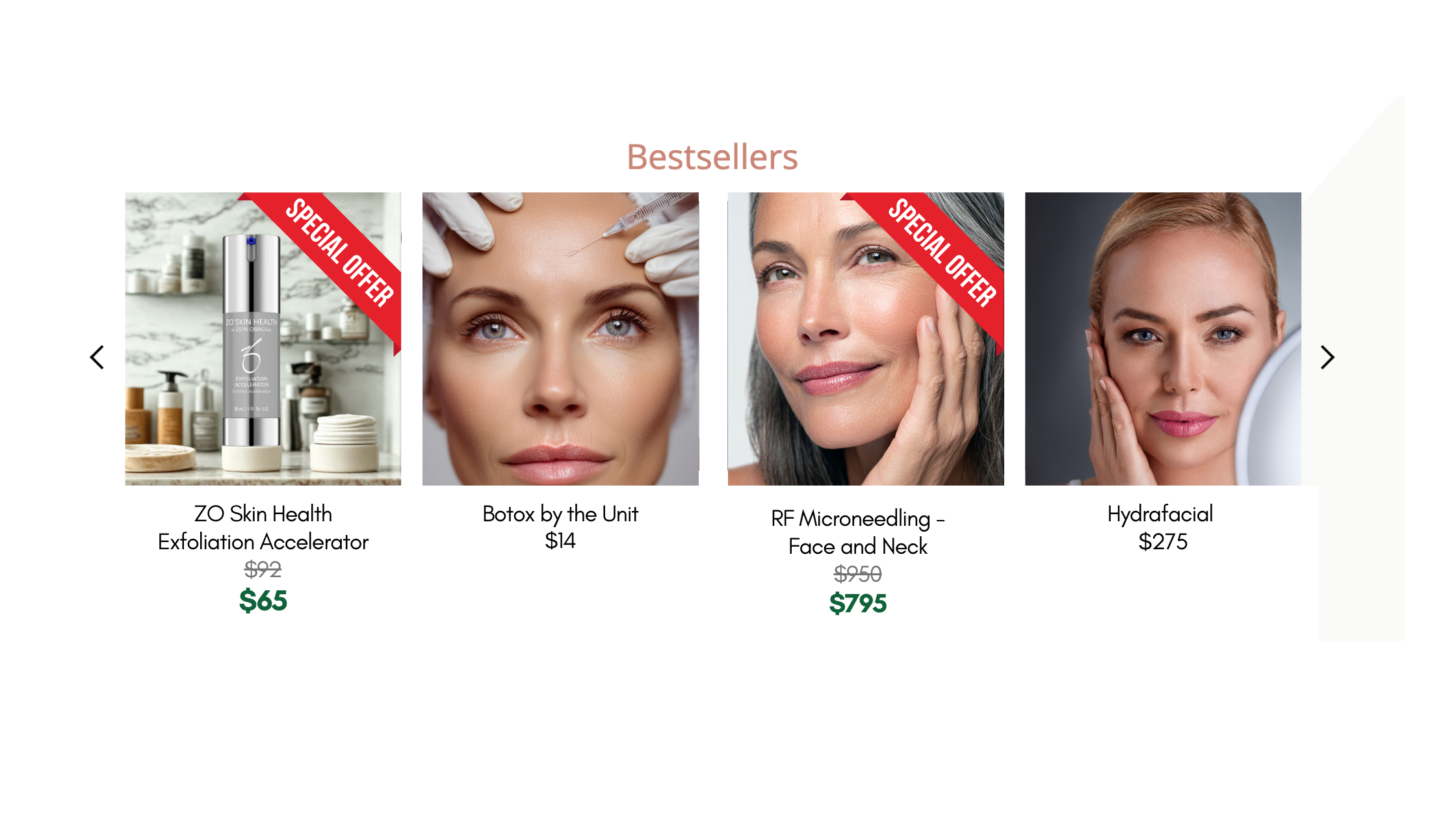
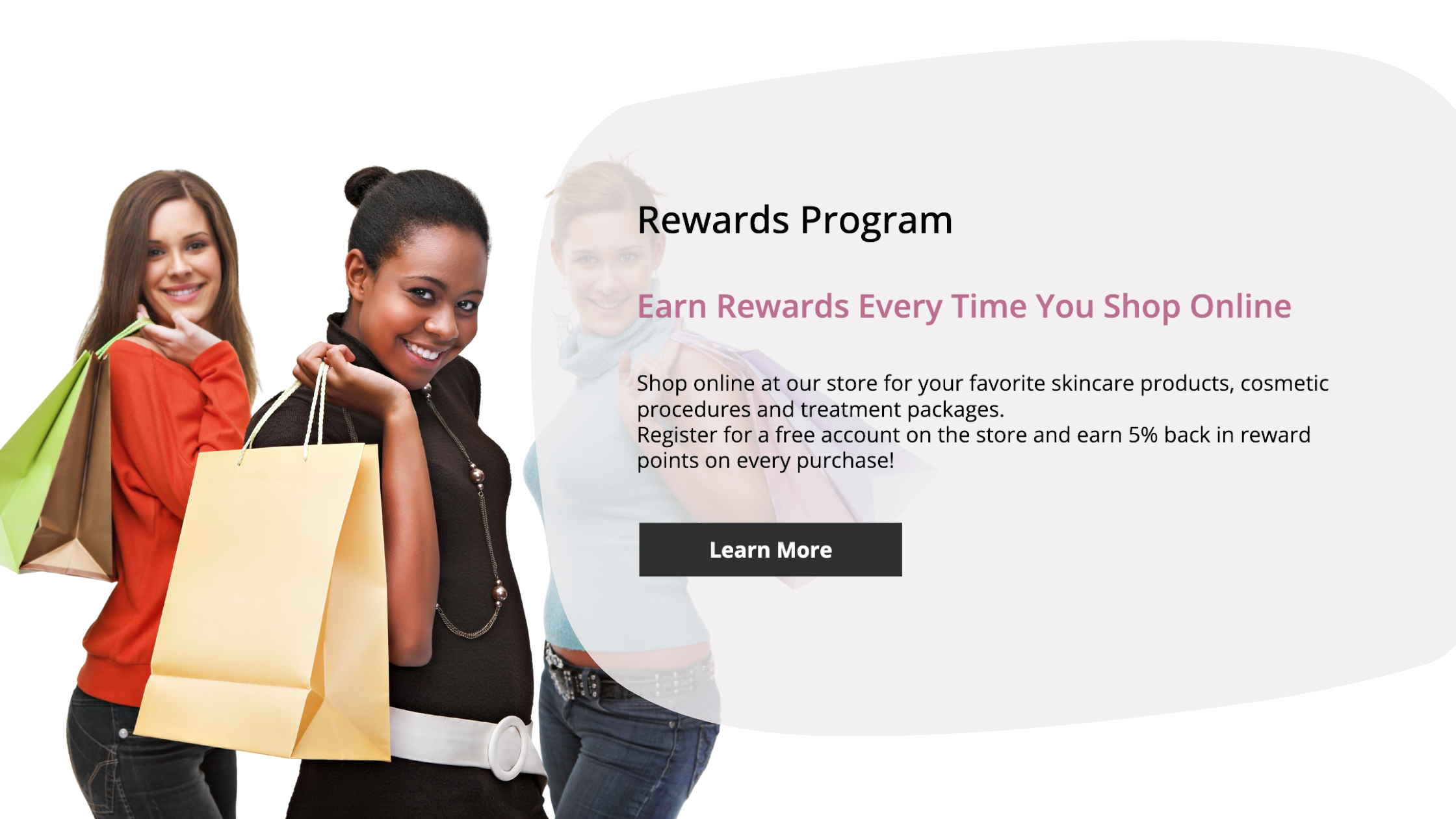
Medspa Client Value & Revenue Impact
On average, a current medspa client spends approximately $5,000 per year across treatments, maintenance products, and seasonal upgrades. That’s a high lifetime value — but only if they stay engaged.
An ecommerce service shop lets you:
- Keep existing clients engaged: Sell specials and packages between appointments.
- Capture impulse buys: Clients who aren’t ready to book still buy credits or deposits.
- Eliminate pricing fear: Clients already paid feel *committed* and are more likely to schedule & show up.
When customers pre-pay for a service they *trust*, the psychological barrier of “how much will this cost?” disappears — because they already committed the money. That reduces friction and fear.
Sell 24/7 .
Digital Medspa Shops are one of the easiest ways to boost your bottom line. Our clients have increased their sales alone up over 100k with a simple service only shops.
- Give your clients a way to purchase your specials online
- Buy now, treat later builds trust and retention
- Event promotions generate an average 10K hour
New Clients vs Existing Clients — Where the Revenue Actually Is
Existing Clients
- Already trust you: Emails turn into purchases faster than “book first” conversations.
- Higher average order value: Existing clients spend more on packages and add-ons.
- They come back: Pre-purchased credits and packages extend lifetime value.
New Clients
- Lower initial trust: They want to book first and learn later.
- Harder to convert: “Book now” creates scheduling friction.
- Online store helps here too: But it *really shines* with existing clients.
In short: **new clients are great** — but your existing base is where steady, predictable revenue lives. An online service shop speaks directly to both groups, but it’s especially powerful for people who already know you.
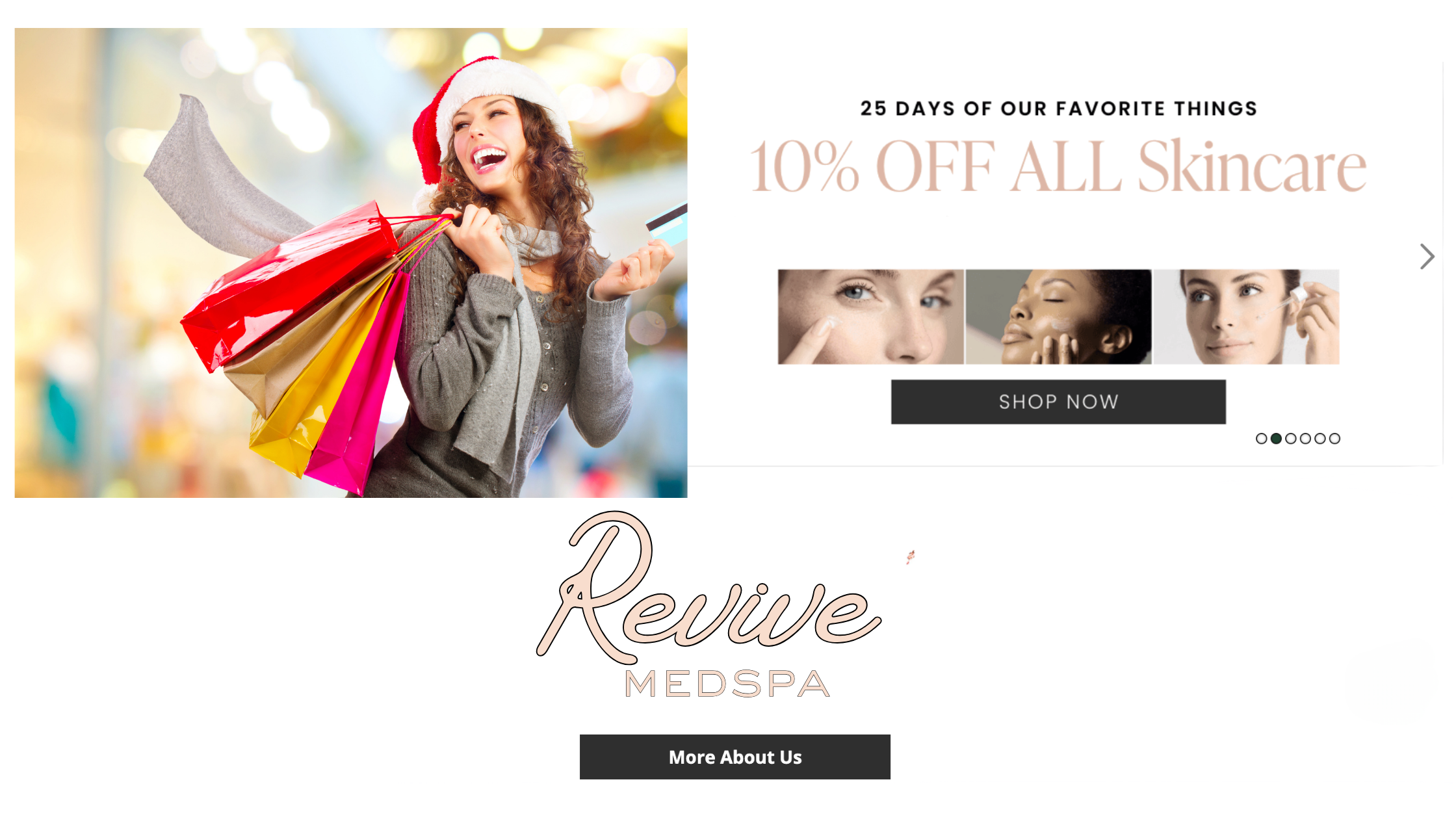
How It Works — Buy Now, Schedule Later
When the customer sees something they like — from a newsletter, Instagram post, or homepage banner — the experience should be: **click → pay → schedule when convenient.**
Step 1 — See the offer
From a post, email, or homepage link.
Step 2 — Buy instantly
Pay for the service or package right away, no scheduling needed.
Step 3 — Choose a time later
Schedule at convenience — mobile, desktop, or text link.
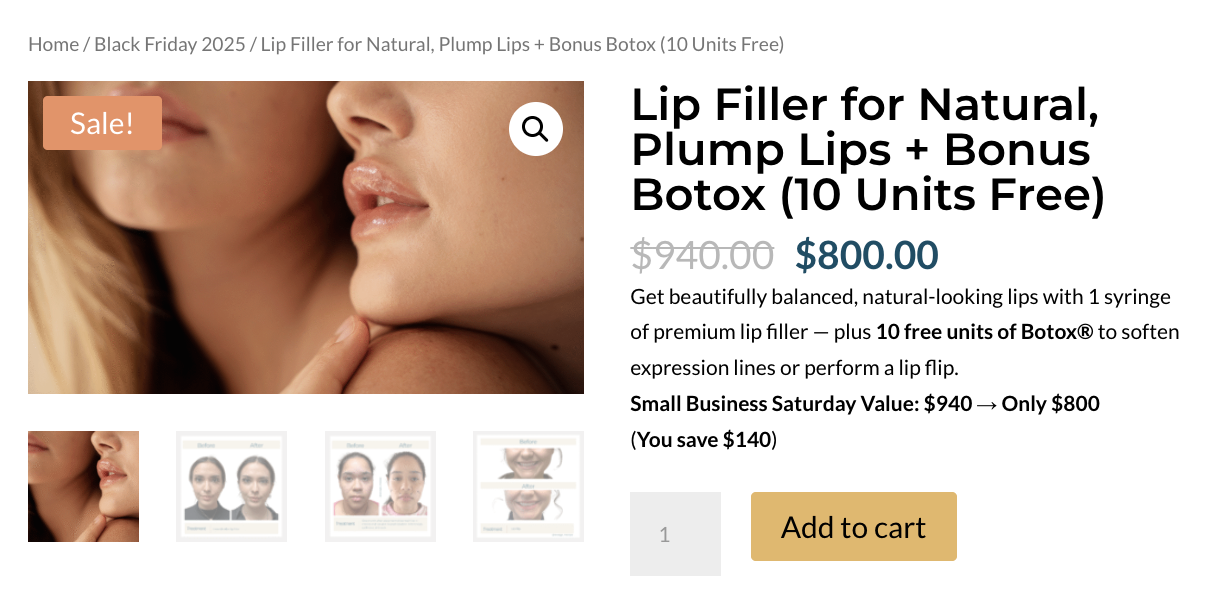
Your Website Should Work as Hard as You Do
Every informational or educational page should have BOTH:
- Book Now — for clients who are ready to schedule immediately
- Buy Now — for clients who want to act now and schedule later
A true medspa ecommerce experience captures revenue *you’d otherwise miss* and strengthens client loyalty over time.
Frequently Asked Questions
Short, direct answers — because your time is valuable.
What does “ecommerce for medspas” actually mean?
It means selling services (not just products) online — packages, specials, deposits, memberships, and gift cards — so clients can purchase immediately and schedule later.
Why is selling services online better than “Book Now” alone?
“Book Now” requires calendar coordination. “Buy Now” captures purchase intent in the moment, reduces drop-off, and removes pricing uncertainty — clients commit first, schedule when they’re ready.
Do I need to sell skincare products for an online store to work?
No. The biggest impact usually comes from service-based ecommerce: monthly specials, packages, new treatment launches, and “buy now, use later” offers.
What types of services should be sold online?
Start with what clients already understand: your top treatments, packages of 3–6, seasonal promos, deposits for in-demand services, and digital gift cards. Then expand into memberships and event specials.
What if someone buys the “wrong” service?
This happens — and it’s not a problem when your policies are clear. You can allow swaps into equal or greater value, convert to store credit, or apply the purchase toward a better-fit plan. The key is: they’ve already committed to spending at your medspa.
Does this work better for existing clients or new clients?
Both — but it’s especially powerful for existing clients because they already trust you and they’re more likely to purchase from email/newsletters. New clients benefit too because they can buy without the friction of scheduling immediately.
What makes service ecommerce work on Instagram?
Social is impulse-driven. “Buy Now” lets someone act immediately after seeing a before/after, a new treatment, or a special — without needing to coordinate schedules in the moment.
What’s the fastest way to start without overwhelming my team?
Start small: 5–10 products total. One monthly special, 2–3 bestsellers, one package option, and gift cards. Then build a repeatable promo rhythm using email + social + homepage banners.
Do I need a fancy tech stack or custom development?
No. What matters most is the offer structure, checkout clarity, and consistent promotion. Many medspas use standard ecommerce tools (WordPress/WooCommerce, Shopify, etc.) and win simply because they make buying easy.
What should I do next if I want this on my site?
Build a “Buy Now + Schedule Later” pathway: clarify offers, create service products, add purchase CTAs to educational pages, and connect promotions through email and social. If you want help, link to your website management page here: Medspa Website Management.
Just want a quick chat without filling out all the stuff – email [email protected]o and we will respond within 24 hours.
Sell 24/7 .
Digital Medspa Shops are one of the easiest ways to boost your bottom line. Our clients have increased their sales alone up over 100k with simple service only shops.
- Give your clients a way to purchase your specials online
- Buy now, treat later builds trust and retention
- Event promotions generate an average 10K hour